Insurance Premium Paid Journal Entry Example

Instead of worrying about monthly bills or remembering to make payments, you can simply pay for the entire year (or another term) upfront. This is especially helpful for people who prefer managing their finances with certainty and who dislike the stress of keeping track of recurring payments. It reflects a future economic advantage for the insured party by providing protection against potential losses or obligations. Prepaid insurance is first recorded as an asset on the balance sheet because the coverage is for a future point in time.
Monthly Financial Reporting Template for CFOs
This adjustment ensures accurate reporting of expenses and assets. The prepaid insurance expired journal entry needs to be posted each period when a portion expired. From a cash flow perspective, prepaid insurance affects a company’s operating cash flow. When a business pays for insurance in advance, it uses prepaid cash.
- Your screenshot shows a payment made for a monthly insurance premium.
- Put it all together, and suddenly, the overwhelming majority of your insurance premium paid in 2015 becomes nondeductible.
- The full value of the prepaid insurance is recorded as a debit to the asset account and as a credit to the cash account.
- Each month, as a portion of the prepaid premiums are applied, an adjusting journal entry is made as a credit to the asset account and as a debit to the insurance expense account.
- The customers have to pay the insurance premium based on the contract with the insurance company.
- Yes, many insurance providers offer discounts or reduced rates for customers who choose to pay the premium in full rather than in monthly installments.
Automate Accounting Processes
This advance payment is based on an estimate of the taxpayer’s household income and family size for the upcoming tax year, generally provided during the enrollment process. A total of ₹18,000 gets expensed over six months using prepaid insurance journal entry adjustments. The first step in the process is to book the advance insurance premium payment in your books. This is the prepaid insurance journal entry and considers the payment as a resource. Insurance expense is the total cost that a company incurs in order to acquire an insurance contract, as well as additional payments known as premiums.
If My Ex Pays for Child Dependent Care, Does That Count on Taxes?

We can also see entries like prepaid health insurance journal entry and learn the expired portion of prepaid insurance. In accounting, prepaid insurance is classified as a current asset on the balance sheet. A current asset is an asset that a company expects to use or convert into cash within one year or within its normal operating cycle, whichever is longer. Because prepaid insurance provides what are retained earnings long-term protection, the portion of prepaid insurance that has not yet matured is considered a current asset.

Insurance Company Delays Underwriting Compulsory Auto Insurance: Who Is Responsible for Compensation?
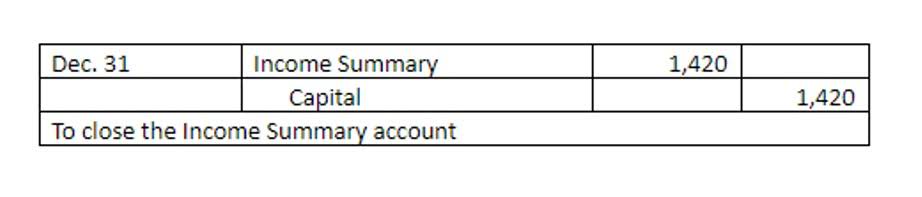
Premiums for Personal Use Insurance are never deductible as a business operating expense. If Opening Entry a business pays the premium for an owner’s personal vehicle or primary residence, that payment must be treated as a non-deductible distribution, draw, or compensation. This treatment prevents the business from deducting personal living expenses. The majority of standard policies, such as general liability, commercial property, and professional indemnity insurance, fall into this operating classification. Premiums for these policies reflect the cost of mitigating risk, which is a necessary function of maintaining ongoing business operations. This expense classification ensures that the company’s core profitability, or Earnings Before Interest and Taxes (EBIT), accurately reflects the routine costs of doing business.
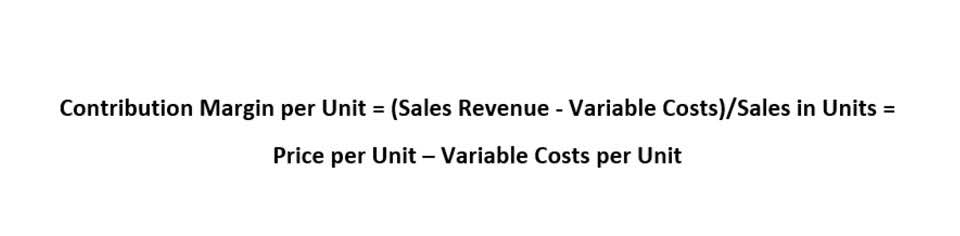
Strategies for Finding Economical Insurance Premiums
- The deduction is generally limited to the portion of the premium that covers the current tax year.
- This guide covers unearned premiums, accrual basis, and US GAAP rules for accurate reporting.
- If I own multiple businesses, can I add profits to calculate the deduction?
- If for the month of January the direct labor is $40,000, then $2,000 of the worker comp cost should be included as direct labor.
- This liability doesn't appear to have any contingency, except the insuree not paying it, and needs to be reflected in full on the.
Insurers use actuarial assessments to set these premiums, balancing risk management with competitive pricing. Shopping around can lead to more affordable premiums, and different payment options prepaid insurance may cater to the policyholder's financial situation. Overall, knowing how premiums work and being proactive about comparing options empowers consumers to make informed insurance choices. When you sign up for an insurance policy, your insurer will charge you a premium. Policyholders may choose from several options for paying their insurance premiums.